Export
Exporting Indian beauty and FMCG to the Middle East and Africa: what buyers ask for
Importers in the Gulf and Africa already buy Indian beauty and FMCG. Here is what they ask about before they place an order, and how to be ready.
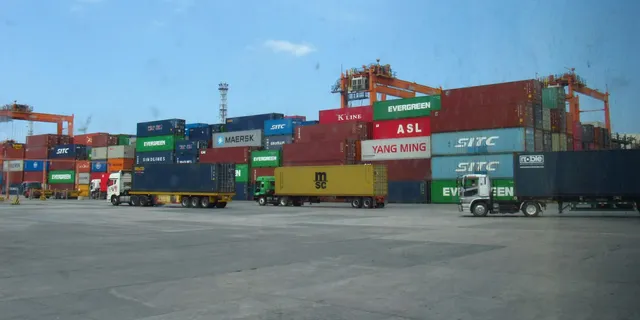
Indian personal care, beauty and packaged goods already sell well across the Gulf and Africa. Large Indian communities, familiar brands and Ayurvedic and herbal ranges create steady demand, and importers in Dubai, Lagos, Nairobi and Dar es Salaam buy from India every week.
For a brand, export is often the fastest way to reach new buyers without competing with your own retail partners at home. Here is what importers ask about before they commit.
Shelf life comes first
An export order spends weeks in transit, customs and distribution before it reaches a shelf. Importers usually want:
- 12 months or more of shelf life at dispatch for most beauty and personal care.
- A clear expiry date per batch, not a range.
- Shorter-dated stock only at a price that reflects it, and only for fast-moving products.
If your lot has 15 months left today, say so plainly. It is a selling point.
Documents they will ask for
Requirements vary by country, but most importers will ask for some combination of:
- Commercial invoice and packing list with carton-level detail
- Certificate of origin
- Product registration or notification in the destination market (for cosmetics and food, this can take time)
- Ingredient lists and labels that meet local rules, sometimes with Arabic or French stickers
- Batch numbers and expiry on every carton
Ask the importer early which documents their market needs. It is the most common reason orders stall.
Pack sizes and labels
Pack sizes that sell in India don't always suit every market. Gulf retail often favours larger family packs and premium gift sets, while many African markets move smaller, lower-priced units. Labels in English are usually accepted in the UAE and English-speaking Africa, with local stickers added by the importer where required.
Minimum orders and terms
Importers think in cartons and pallets, and freight cost per unit falls sharply as the order grows. Most expect:
- A clear minimum order per SKU and per shipment
- Ex-Works (EXW) or FOB pricing, with freight quoted separately
- Payment before dispatch or against documents, agreed upfront
Questions importers ask, in order
- What is the brand, and is it sold in India today?
- How many months of shelf life are left?
- What is the carton configuration and minimum order?
- Where is the stock, and what are the terms (EXW or FOB)?
- Which documents can you provide?
- Can you do repeat supply?
Repeat supply is the question that turns a one-off lot into a distribution lane.
How Lotvine helps
Lotvine Market connects Indian brands and distributors with verified business buyers, including importers in the Middle East, Africa and South Asia. Every lot shows quantity, cartons, minimum order, warehouse location and expiry upfront. Brands set the floor price and can limit a lot to export markets only, so stock sold abroad doesn't compete with their partners at home.
Buyers can browse lots and register free to see wholesale prices. Brands can list a first lot and see which markets respond.
Written by
Lotvine team · Lotvine Market