Buying guides
Fashion surplus buying: reading size and colour breakdowns correctly
The single biggest reason fashion surplus orders disappoint buyers is a size curve that doesn't match the market. Here's how to check before you offer.
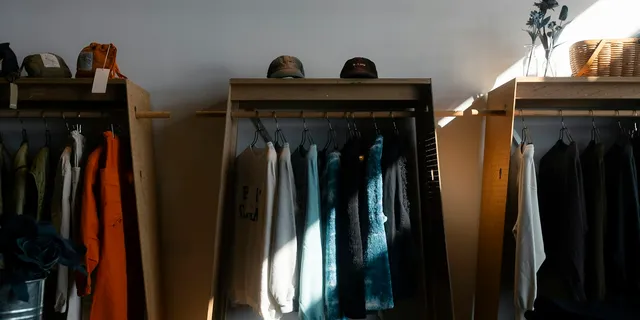
Fashion surplus is one of the most attractive categories for off-price retailers and online resellers, brand apparel and accessories at wholesale prices, but it's also the category where a mismatched size curve causes the most buyer regret. Price isn't the risk here; sell-through is.
Why size curves matter more than price
A carton of apparel at a sharp wholesale price is only a good deal if you can sell most of it. Fashion demand skews heavily toward a handful of common sizes in any given market, and a lot weighted toward sizes your customers don't buy will sit on your shelf regardless of how cheap it was. Before you look at price, look at the breakdown.
What a proper size and colour breakdown tells you
- Units per size, not just a total carton count
- Colourway split, especially for lines where one colour historically outsells others
- Whether the breakdown is per carton or across the whole lot (a lot-wide breakdown can hide uneven cartons)
If a listing doesn't show this, ask through the lot page before making an offer. Sellers can usually provide it, and it's a normal question, not a red flag on your end.
Condition and authenticity checks
Most fashion surplus lots are new with tags, sourced from brand overstock, cancelled export orders or end-of-season ranges. Customer returns or shelf-pulls are a different condition category and should be clearly labelled as such; if a listing doesn't specify, assume you need to ask. For larger orders, sample carton photos are usually available on request and are worth the extra day it takes to get them.
Where fashion surplus comes from
- End-of-season ranges cleared by brands and retailers ahead of new collections
- Cancelled export orders, where a buyer pulled out after goods were manufactured
- Brand licensee overstock, common in accessories and eyewear
Each source behaves slightly differently: end-of-season stock is usually well-documented since it moved through a normal retail cycle, while cancelled orders can have less sales history to judge demand against.
Before you make an offer
- Request the size and colour breakdown if it isn't shown
- Confirm whether it's per-carton or lot-wide
- Check condition (new with tags vs. shelf-pull vs. returns)
- Ask for sample photos on larger orders
- Compare the breakdown against your actual sales data, not assumptions
Browse current fashion and accessories lots to check live breakdowns before you offer.
Written by
Daniel Lim · Seller Partnerships Lead
Daniel works with brand owners and distributors across India to reach new buyers without disrupting their regular channels. Before Lotvine he managed key accounts for a beauty distributor.